
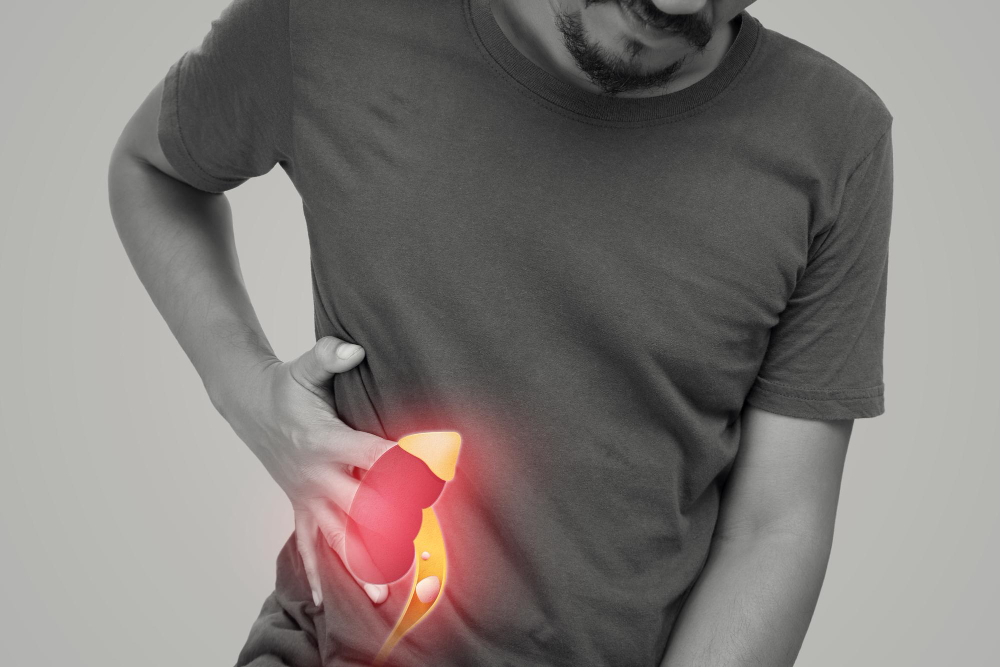
Kidney stones are hard deposits that form inside your kidneys. They are made from minerals and salts. According to the National Institute of Diabetes and Digestive and Kidney Diseases, kidney stones affect about 1 in 11 people at some point in their lives. Because kidney stones can cause severe pain and other health problems, it is important to know the early warning signs. Recognizing kidney stone symptoms early can help you get the right care and avoid complications.
Severe Pain in the Back or Side
One of the most common signs of kidney stones is sharp pain in your back or side. This pain often starts suddenly and can move to your lower belly or groin. Sometimes, the pain comes in waves and gets worse over time. Because the stone moves through your urinary tract, it can block the flow of urine and cause intense discomfort.
If you notice severe pain that does not go away, it may be a sign of kidney stones.
Painful or Frequent Urination
Another warning sign is pain or burning when you urinate. You may also feel the need to urinate more often than usual. Because a kidney stone can move into the tube that carries urine from your kidney to your bladder (the ureter), it can irritate the lining and cause these symptoms.
These signs of kidney stones are similar to those of a urinary tract infection, so it is important to pay attention to how you feel.
Blood in the Urine
Seeing blood in your urine is a serious sign. Sometimes, the urine may look pink, red, or brown. Other times, you may not see blood, but a doctor can find it with a urine test. Because kidney stones can scratch the lining of your urinary tract, they may cause bleeding.
If you notice blood in your urine, you should not ignore it. This is one of the key early warning signs of kidney stones.
Nausea and Vomiting
For some people, kidney stones can cause nausea or vomiting. This happens because the pain is very strong, or because the stone blocks the flow of urine. When your kidneys cannot drain properly, it can make you feel sick to your stomach.
Because these symptoms can also be caused by other health issues, it is important to consider them along with other kidney stone symptoms.
Fever and Chills
Although less common, fever and chills can be a sign that a kidney stone has caused an infection. This is a serious problem and needs quick medical attention. When a stone blocks the flow of urine, bacteria can grow and cause an infection in your urinary tract or kidneys.
If you have a fever with any other signs of kidney stones, seek help right away. According to the Centers for Disease Control and Prevention (CDC), untreated kidney infections can lead to serious health risks.
When to Seek Medical Attention
Sometimes, kidney stone symptoms can be mild. However, you should seek medical care if you have:
Because these signs may point to a blocked urinary tract or infection, quick treatment can prevent complications. The World Health Organization (WHO) stresses the importance of early diagnosis for kidney stones.
How Kidney Stones Are Diagnosed
Doctors use several methods to find out if you have kidney stones. First, they may ask about your symptoms and do a physical exam. Next, they often order tests such as:
Because these tests are quick and safe, they help doctors find the size, shape, and location of kidney stones. This information guides the best treatment plan.
Prevention Tips
Although kidney stones can happen to anyone, you can lower your risk with some simple steps. According to the National Kidney Foundation, you should:
Because making these changes can help prevent kidney stones, it is wise to start early. If you have questions about your risk,consult Dr. Tejaswi Togaru now.